Would WebRTC be as Big a Thing if it Didn't Run in a Web Browser?
WebRTC without the browser isn't that big of a deal. Or is it? What would the future of WebRTC look
Read article →
WebRTC Use Cases
Want to know what WebRTC use cases are out there? It seems to be everything under the sun. Here are
Read article →
What's the Size of Your Messaging app?
Have you noticed how your messaging app is growing in size? You should. With these apps reaching into the billions
Read article →
Are You Using AppRTC as Your WebRTC Baseline Reference?
AppRTC should be part of your analysis tools when things go wrong with your own service. Here's how you do
Read article →
Join us for Kranky Geek India: March 19
Announcing our upcoming Kranky Geek India WebRTC event, taking place in Bangalore, India - March 19.
Read article →
Google Fi, Internet of Things and the Bleak Realities of Telecom Services
The future of the carriers may not lie in services at all. Google Fi and IOT show a different future
Read article →
First Plugins, then Flash and now Java - WebRTC is now the only alternative
Java is officially dropping from browsers. Without Flash, Plugins or Java, the only route to real time communications in browsers
Read article →
Get Over it: WebRTC isn't Peer-to-Peer
Is WebRTC P2P or not? That's something that is easy to resolve - it both is and isn't, and if
Read article →
Facebook and the Future of Messaging
Messaging is a lot more than interaction between people today. It connects us to businesses, it incorporates AI and commerce
Read article →
What are the Challenges of DIY your WebRTC SFU?
A WebRTC SFU is simple enough to develop, but probably quite complex to maintain and improve over time. Here's what
Read article →
Messaging. Federated? Silo? Does it Matter with an API and Bots?
Got a messaging service? Nobody cares if it is federated or a silo anymore - just make sure there's a
Read article →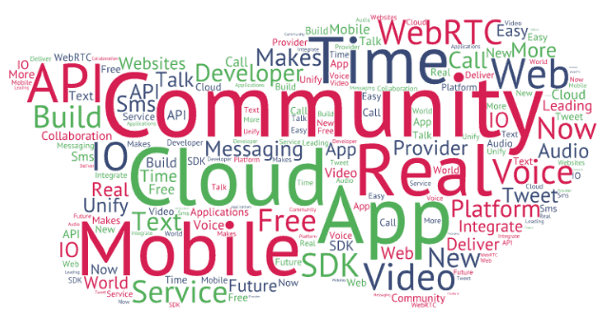
WebRTC PaaS Vendors as Twitter One-Liners
Wonder how WebRTC PaaS vendors define themselves? Here's their Twitter 140 character descriptions and what we can learn from it.
Read article →

Blog archive · page 6 of 7