What is the WebRTC leak test? [Guide]
Hearing FUD around WebRTC IP leaks and testing them? The stories behind them are true, but only partially.
Read article →
3 advantages of Anycast in WebRTC you didn’t know about
Anycast enables WebRTC services to better manage and optimize global deployments at scale.
Read article →
RTC@Scale 2022 summary and insights
RTC@Scale was Facebook’s virtual WebRTC event, covering current and future topics. Here’s the summary so you can pick and choose
Read article →
WebRTC Flow: How Media and Signaling flows look like
When we look at network connections of WebRTC, most of the time you'll see people focusing on signaling but missing
Read article →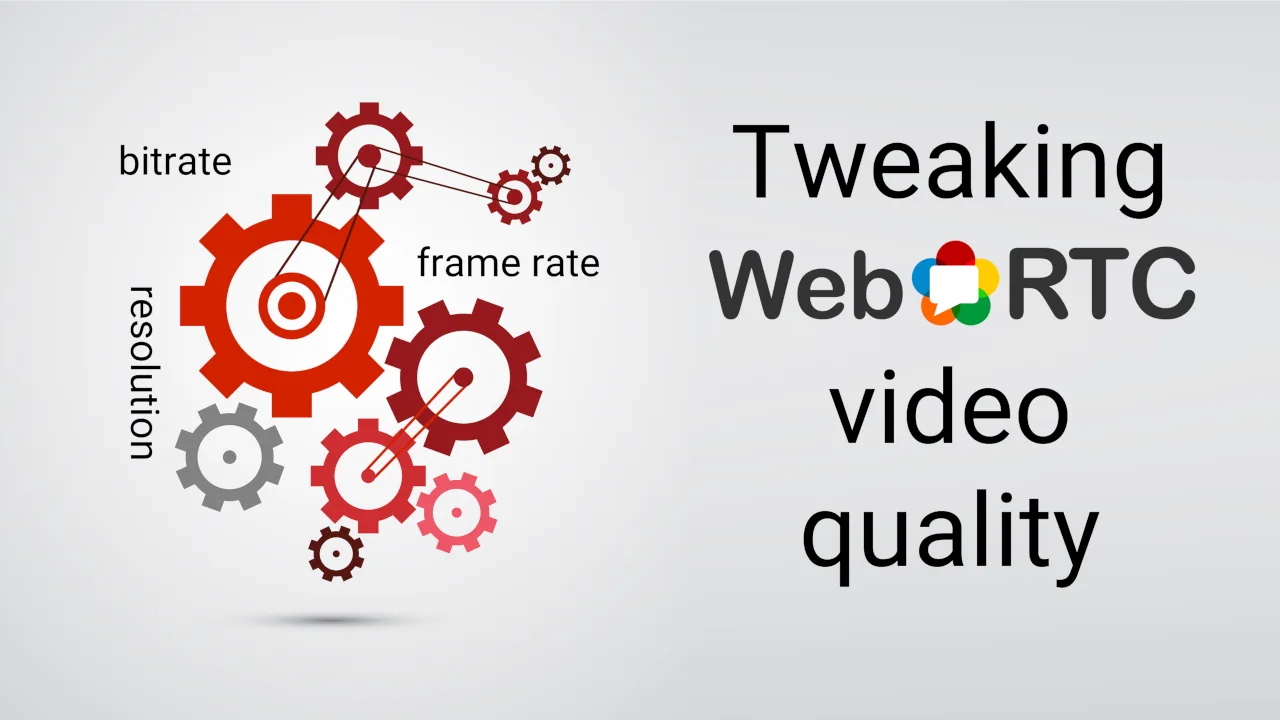
Tweaking WebRTC video quality: unpacking bitrate, resolution and frame rates
WebRTC video quality requires some tweaking to get done properly. Lets see what levels we have in the form of
Read article →
Why you should prefer UDP over TCP for your WebRTC sessions
When using WebRTC you should always strive to send media over UDP instead of TCP. at least if you care
Read article →
Lyra, Satin and the future of voice codecs in WebRTC
There are new audio codecs in town: Google Lyra and Microsoft Satin. Both banking on AI-based voice coding, and both
Read article →
🎲 Which video codec to use in your WebRTC application? 🎲
Picking the right video codec for a WebRTC application is tricky. Should you use VP8? H.264? VP9? Go with AV1?
Read article →
A blueprint to improving WebRTC media quality using AI
Before jumping on the ML/AI bandwagon of WebRTC media quality, make sure you’ve exhausted all of your other optimization alternatives.
Read article →
What is WebRTC P2P mesh and why it can't scale?
If you are planning to use WebRTC P2P mesh to power your service, don’t expect it to scale to large
Read article →
VP9 Codec: Adopt it in your WebRTC application?
VP9 is the best unused codec today that can improve video quality and media experience in your WebRTC application. Lets
Read article →

Blog archive · page 6 of 30